The Importance of Proper Task Lighting
While ambient lighting sets the mood of a room, task lighting is entirely functional. When it comes to a home office, study, or creative studio, a desk lamp is not an optional accessory—it is a critical ergonomic tool. Insufficient or poorly directed light forces the eyes to work harder to decipher text and details, leading to rapid visual fatigue, tension headaches, and diminished productivity.
A quality desk lamp delivers a concentrated pool of high-quality light exactly where it is needed, overriding shadows cast by overhead lighting or computer monitors.
Key Ergonomic Features
When evaluating desk lamps, adjustability should be your primary concern. The ability to manipulate the height, angle, and direction of the light source is what separates a true desk lamp from a standard table lamp placed on a desk.
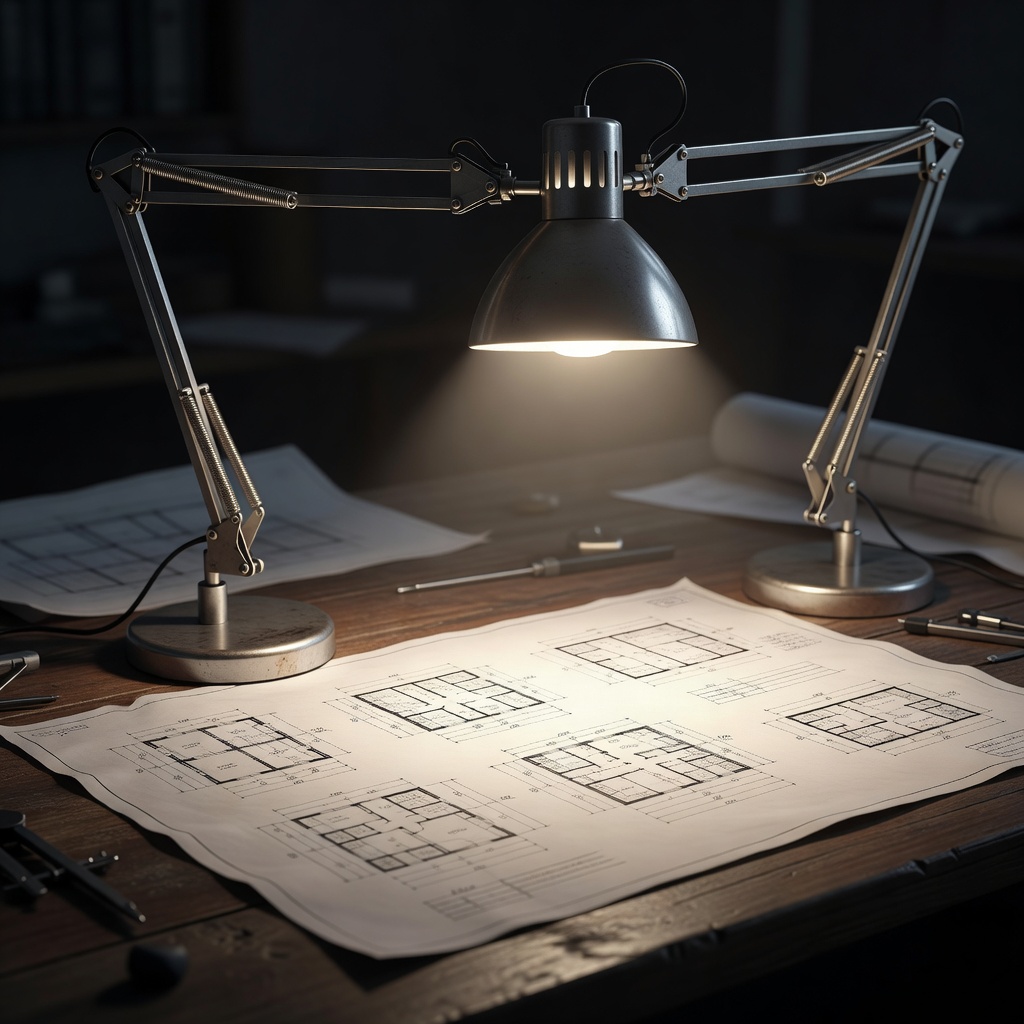
- Articulated Arms: Architect-style lamps with spring-balanced, multi-jointed arms allow you to pull the light close for detailed work and push it away to light the broader desk surface.
- Swiveling Heads: The shade or light panel must rotate so you can angle the beam away from your eyes and screen, preventing direct glare.
- Base Footprint vs. Clamp: Desk real estate is precious. If you have a small desk, consider a lamp that utilizes an edge clamp or grommet mount rather than a heavy weighted base, freeing up surface area for documents and peripherals.
Color Temperature and Focus
Light temperature profoundly affects human circadian rhythms and mental alertness. While warm light (2700K) is relaxing and ideal for a bedside lamp, it can induce drowsiness at a desk. For a workspace, we recommend cooler color temperatures, typically around 3500K to 4000K. This "cool white" spectrum mimics daylight, triggering biological responses that promote alertness and concentration.
Many modern LED desk lamps offer tunable white light, allowing you to cycle from cool daytime lighting for high-focus tasks to a warmer glow if you are working late into the evening and wish to avoid disrupting your sleep cycle.
Managing Glare and Shadows
Placement of the desk lamp is crucial to avoid two primary enemies of screen-based work: glare and shadows.
To eliminate shadows from your own hand while writing, place the lamp on the side opposite your dominant hand. If you are right-handed, the lamp should sit on the left side of your desk. To combat screen glare, ensure the light source is positioned below your eye level and angled downward toward the desk surface, not washing over the glossy surface of your monitor.
Integrated Technology
Contemporary desk lamps frequently incorporate secondary technologies. Features such as built-in USB charging ports, Qi wireless charging pads in the base, and touch-sensitive continuous dimming sliders add immense utility to the modern workspace without demanding extra outlets or cables.