Beyond the Simple Switch
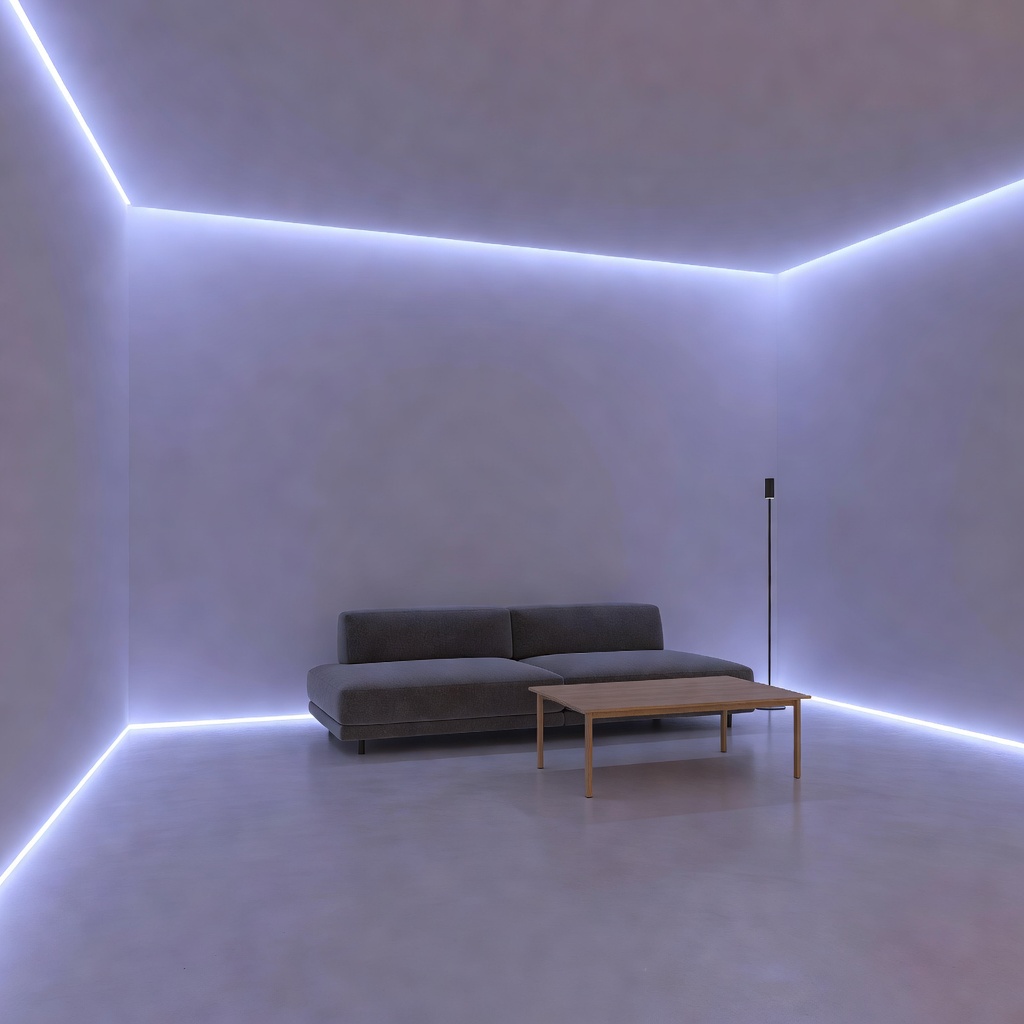
For over a century, lighting control was binary: on or off, with the occasional luxury of a physical dimmer slider. Smart lighting completely subverts this paradigm. By integrating wireless connectivity (Wi-Fi, Zigbee, Bluetooth, or Thread) into bulbs, LED strips, and fixtures, lighting becomes a dynamic, programmable software experience.
Smart lighting is not merely a gimmick for displaying neon colors at parties; its true value lies in convenience, security, and biological well-being. A properly configured smart home can slowly fade up the bedroom lights to mimic a sunrise, transition the home office to a crisp white for productivity, and automatically turn on porch lights when you pull into the driveway.
Understanding the Technology Ecosystems
The foundation of any smart lighting setup is the protocol it uses to communicate. Choosing the right one determines the reliability and responsiveness of your lights.
- Wi-Fi Bulbs: These connect directly to your home router. They are inexpensive and require no additional hardware (like a hub). However, installing too many Wi-Fi bulbs can congest your network, causing internet slowdowns and laggy response times from the lights.
- Zigbee & Z-Wave: These low-power wireless mesh networks require a central bridge or hub to plug into your router. Because the bulbs communicate with each other to pass along signals, the network gets stronger as you add more lights, without taxing your home's Wi-Fi bandwidth.
- Thread/Matter: The newest standards designed to unify the smart home industry. Thread creates a fast, self-healing mesh network, while Matter ensures that devices work seamlessly across major smart home platforms (Apple, Google, Amazon) regardless of the manufacturer.
Tunable White and Circadian Rhythms
While the ability to turn a room vibrant magenta is fun, the most health-impactful feature of smart lighting is "tunable white" technology. Human biology is wired to respond to the sun: cool, blue-heavy light in the morning promotes wakefulness, while warm, amber light in the evening stimulates melatonin production for sleep.
Smart lighting systems can automate this shift. Without you touching a button, the system can output 4500K light at noon to keep you focused at your desk, and seamlessly cross-fade to a dim 2500K glow by 9:00 PM to prepare your body for rest. This subtle background adjustment drastically improves both productivity and sleep hygiene.
Scenes and Routines
The magic of smart lighting is accessed through "Scenes"—preset configurations of brightness and color across multiple bulbs. A "Movie Time" scene might turn off overhead lights, dim the floor lamps to 10%, and cast a soft bias light behind the television to reduce eye strain.
These scenes can then be tied to routines or triggers. You can program a "Goodnight" routine that shuts down the entire house's lighting with a single voice command, or set a vacation mode that randomizes light usage to make the house appear occupied while you are away.
Integration with Traditional Switches
The biggest hurdle in adopting smart bulbs is the physical wall switch. If a smart bulb is turned off at the wall, it loses power and goes offline, rendering apps and voice commands useless. To solve this, consider smart wall switches or smart dimmers. These replace traditional switches, allowing the fixture to remain powered for smart control while maintaining a physical button for guests and family members who prefer tactile control.